
Tech & Innovation
EV Home Charging Solutions: The Complete Guide for Apartments, Renters, and DIY Setups
By Riazul Islam•
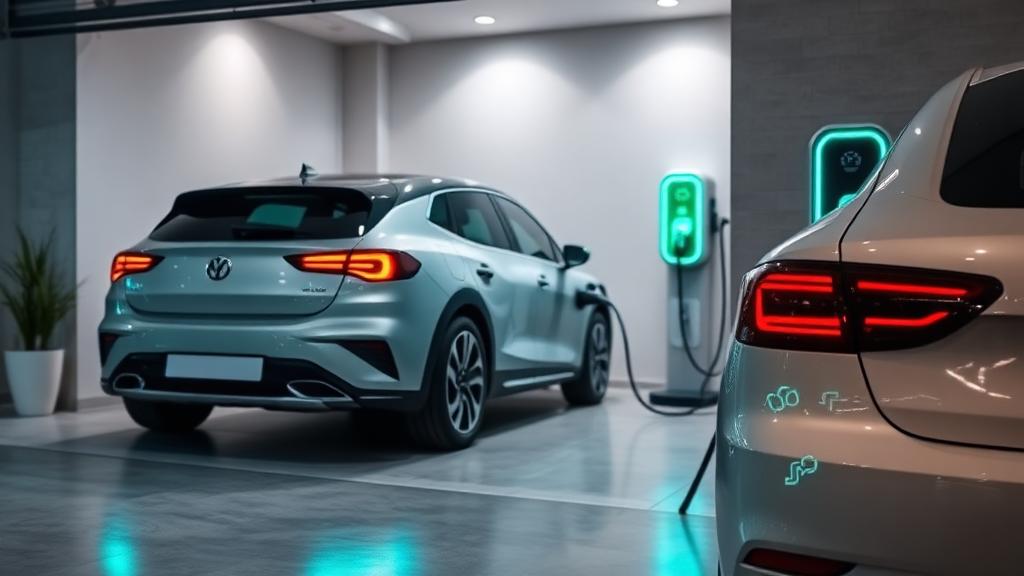
Summary: Want to charge your electric vehicle at home but don't have a garage? This comprehensive guide covers Level 1, Level 2, and portable charging solutions for apartments, condos, and renters.
## The #1 Barrier to EV Adoption - Solved
The most common reason people don't buy electric vehicles isn't range anxiety - it's **"Where do I charge it?"** If you live in an apartment, condo, or rental property, home charging seems impossible. But it's not.
This guide covers every home charging option available in 2026, from the simplest plug-in solution to full DIY setups.
---
## Understanding EV Charging Levels
| Level | Voltage | Speed | Range/Hour | Best For |
| **Level 1** | 120V (standard outlet) | Slow | 3-5 miles | Overnight charging, short commutes |
| **Level 2** | 240V (dryer outlet) | Medium | 25-40 miles | Home primary charging |
| **Level 3 (DC Fast)** | 480V+ | Fast | 150-300 miles | Public stations only |
### The Math: Do You Even Need Level 2?
The average American drives **37 miles per day**. Level 1 charging adds **3-5 miles of range per hour**. That means:
- 10 hours plugged in = 30-50 miles of range
- **If you drive less than 40 miles/day, Level 1 is sufficient**
---
## Solution 1: Level 1 Charging (Easiest)
### What You Need
- Standard 120V outlet near your parking spot
- The charging cable that came with your EV (EVSE)
- An extension cord rated for EV charging (if needed)
### Cost: $0-$50
You already have the cable. You just need access to an outlet.
### For Apartment Dwellers
- Ask your landlord about outlet access in the parking garage
- Some buildings have shared outlets - get permission first
- Use a locking outlet cover to prevent unplugging
### Pros & Cons
✅ Zero installation cost
✅ Uses standard outlet
✅ No electrician needed
❌ Slow (8-12 hours for full charge)
❌ Not ideal for long commutes
---
## Solution 2: Portable Level 2 Chargers ($200-$600)
### The Game-Changer for Renters
Portable Level 2 chargers plug into a **240V outlet** (like a dryer or oven outlet) and deliver Level 2 speeds without permanent installation.
### Top Portable Level 2 Chargers in 2026
| Charger | Power | Price | Key Feature |
| **Lectron V-Box** | 40A | $299 | NEMA 14-50 + 5-15 adapters |
| **Grizzl-E Duo** | 40A | $459 | Two charging plugs |
| **Tesla Mobile Connector** | 32A | $200 | Multiple adapters available |
| **Emporia Level 2** | 48A | $399 | WiFi smart features |
### How to Use in an Apartment
1. Check if your parking spot has a 240V outlet nearby (laundry rooms, workshops)
2. If not, ask your building about installing a NEMA 14-50 outlet ($200-$500 by electrician)
3. Use the portable charger - take it with you when you move
---
## Solution 3: Permanent Level 2 Installation ($500-$2,000)
### For Homeowners and Long-Term Renters
A permanent Level 2 home charging station (EVSE) is the gold standard:
### Top Home Charging Stations
| Station | Power | Price | Smart Features |
| **ChargePoint Home Flex** | 50A | $699 | WiFi, scheduling, Alexa |
| **Wallbox Pulsar Plus** | 48A | $649 | App control, power sharing |
| **Emporia Smart Charger** | 48A | $399 | Energy monitoring |
| **Grizzl-E Classic** | 40A | $399 | Rugged, no WiFi needed |
| **Tesla Wall Connector** | 48A | $475 | Best for Tesla owners |
### Installation Costs
- **Electrician labor**: $200-$800
- **Panel upgrade** (if needed): $1,000-$3,000
- **Permit**: $50-$200
- **Total typical cost**: $500-$2,000
### Federal Tax Credits
The **Alternative Fuel Vehicle Refueling Property Tax Credit** covers **30% of installation costs** (up to $1,000 for residential). Check [IRS Form 8911](https://www.irs.gov/forms-pubs/about-form-8911) for current details.
---
## Solution 4: Condo and HOA Strategies
Getting EV charging approved in a condo or HOA requires strategy:
### Step 1: Research Your Rights
Many states now have **"Right to Charge" laws** that prevent HOAs from blocking EV charger installation:
- California, Colorado, Florida, Oregon, Virginia, and others
- Check your state's specific legislation
### Step 2: Build Your Case
Present to the HOA board:
- **Property value increase**: Homes with EV charging sell for 3-5% more
- **Tenant attraction**: 40% of renters consider EV charging a priority
- **Low cost**: Especially with portable solutions
- **Federal incentives**: Tax credits reduce costs
### Step 3: Propose a Pilot Program
Start with 2-3 charging spots. Track usage. Expand based on demand.
---
## Solution 5: Workplace and Public Charging
If home charging isn't an option, consider:
### Workplace Charging
- Ask your employer about installing chargers (tax incentives exist for businesses)
- Many companies now offer free EV charging as a benefit
### Public Charging Networks
| Network | Coverage | Pricing |
| **Tesla Supercharger** | 50,000+ stations | $0.25-$0.50/kWh |
| **ChargePoint** | 65,000+ stations | Varies by location |
| **Electrify America** | 3,500+ stations | $0.31-$0.43/kWh |
| **EVgo** | 1,000+ stations | $0.30-$0.40/kWh |
---
## Cost Comparison: Gas vs Electric
| Factor | Gas Car | Electric Car |
| Fuel cost per mile | $0.12-$0.18 | $0.03-$0.05 |
| Annual fuel (12K miles) | $1,440-$2,160 | $360-$600 |
| Maintenance/year | $800-$1,200 | $200-$400 |
| **Total annual savings** | - | **$1,680-$2,360** |
An EV charging at home saves **$1,500-$2,500/year** compared to gasoline, even accounting for electricity costs.
---
## Safety Tips
1. **Never use a standard extension cord** for Level 1 or Level 2 charging
2. **Use only EV-rated extension cords** if needed (10-gauge minimum)
3. **Have a qualified electrician** inspect any 240V installation
4. **Don't overload circuits** - EV charging should be on a dedicated circuit
5. **Weather protection** - Outdoor installations need NEMA-rated weatherproof enclosures
---
## Conclusion
EV home charging in 2026 is more accessible than ever, regardless of your living situation. Apartment dwellers can use Level 1 or portable Level 2 chargers. Homeowners can install permanent stations with federal tax credits. And even without home charging, workplace and public networks make EV ownership practical.
The biggest myth is that you need a house with a garage to own an EV. You don't. You just need to find the right charging solution for your situation.